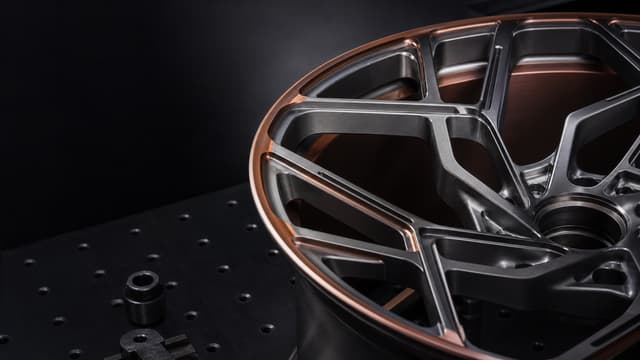
A useful wheel RFQ does more than name a diameter and finish. It gives the engineering team enough context to protect fitment, load capacity, validation scope and landed cost.
Start with the application: target vehicle or axle, tyre size, brake envelope, stud pattern, centre bore, offset window and intended load. For trailer and commercial programs, include duty cycle, road environment and maximum axle load.
Then define the market. A wheel intended for North America, Europe or Australia may require a different validation and documentation path. Name the destination countries early so testing, markings and technical files can be planned before tooling.
Finally, share the commercial frame: forecast annual demand, opening order, target launch window, preferred Incoterm, packaging requirements and whether the program is private label. A complete brief lets supplier and buyer evaluate the same program—not two different assumptions.